
7 Wrongful Termination Claim Mistakes to Avoid
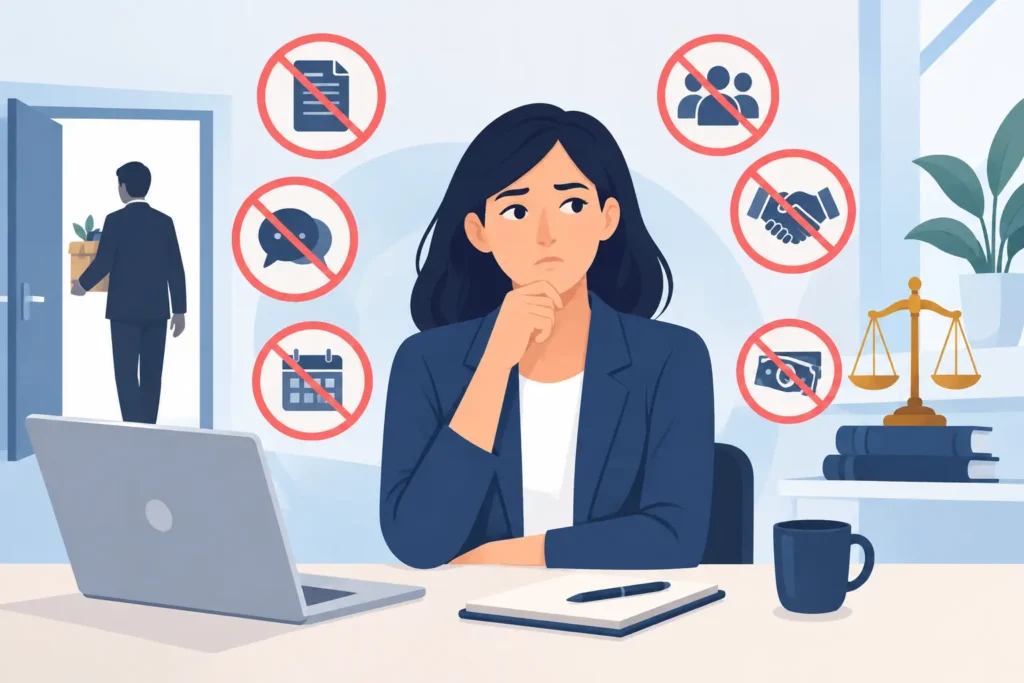
Getting fired can put immediate pressure on every part of your life: rent, groceries, health insurance, and your family’s sense of security. In that moment, wrongful termination claim mistakes can make it harder to prove what happened, even when an employer’s conduct was unfair or illegal. The steps you take in the days after a termination can protect your options or seriously weaken them.
California workers are often told they are employed “at will.” That usually means an employer can end employment for many reasons or no stated reason. It does not mean an employer can fire someone for an unlawful reason. Termination may be wrongful when it involves discrimination, retaliation, whistleblower activity, protected leave, wage complaints, refusal to participate in illegal conduct, or other violations of public policy.
The difference between an unpleasant firing and an unlawful firing is often found in the details. Here are seven mistakes that can cost workers valuable evidence, time, and leverage.
1. Assuming Every Unfair Firing Is Wrongful Termination
Being treated poorly, receiving criticism you disagree with, or being fired without warning is upsetting. But unfair treatment alone does not always create a legal claim. California’s at-will employment rules give employers broad discretion, provided they do not violate the law, an employment contract, or a protected right.
A stronger claim usually connects the firing to a legally protected reason. For example, timing may matter if you were fired shortly after reporting harassment, asking for medical leave, raising concerns about unpaid wages, reporting safety violations, or refusing to falsify records. Statements made by supervisors, changes in how you were treated, and the employer’s stated reason for termination can also matter.
Do not talk yourself out of seeking advice simply because the employer called the decision a “business decision.” At the same time, avoid assuming the label “wrongful termination” applies before the facts have been carefully reviewed. A knowledgeable employment attorney can identify the legal issues beneath a vague or misleading explanation.
2. Failing to Save Evidence Before It Disappears
Employment cases are won or lost on evidence. After a termination, access to your work email, scheduling software, personnel files, and company messaging systems may disappear quickly. Do not take confidential company information that you are not entitled to possess, but do preserve your own lawful records.
Save termination notices, performance reviews, pay stubs, schedules, text messages, personal emails, and any written complaints you sent or received. Write a timeline while events are fresh. Include dates, names, what was said, who witnessed it, and what happened before and after you complained or requested leave.
Witnesses can be especially important. A coworker may remember that a manager made discriminatory remarks or admitted frustration about your protected activity. Keep personal contact information for witnesses when appropriate, rather than relying on their work email addresses.
Do Not Alter or “Clean Up” Records
Resist the urge to edit screenshots, delete messages that seem embarrassing, or create documents to make your story look stronger. Authentic evidence is powerful. Altered evidence can damage credibility and give the employer a defense it did not have before.
3. Signing a Severance Agreement Too Quickly
A severance offer can feel like a lifeline when a paycheck has stopped. Employers may offer money in exchange for a release of claims, confidentiality terms, non-disparagement language, or other obligations. Once you sign a valid release, you may give up the right to pursue claims you did not realize you had.
You are not required to sign on the spot simply because an employer says the offer is final or time-sensitive. Read every page, including the fine print. Ask what claims you are releasing, whether the agreement affects unemployment benefits, and whether it limits your ability to discuss unlawful conduct with government agencies.
The right choice depends on the facts. In some situations, a severance agreement may be fair and beneficial. In others, the offered amount may not reflect lost wages, emotional harm, or the strength of potential legal claims. Get legal advice before you trade your rights for a payment.
4. Resigning in Anger Without Understanding the Consequences
After demotion, harassment, retaliation, or pressure from management, many workers feel they have no choice but to quit. Leaving may protect your well-being, but resigning before documenting the situation can complicate a claim. The legal question may become whether you voluntarily left or whether the employer made working conditions so intolerable that a reasonable person would have felt forced to resign.
If you can do so safely, put concerns in writing before resigning. Report the problem through the employer’s stated process, keep a copy of your complaint, and describe the conduct clearly. If the situation involves threats, severe harassment, discrimination, or danger to your health, your safety comes first. Seek legal guidance promptly rather than enduring harmful conditions to build a case.
5. Missing a Deadline While Trying to Handle It Alone
Wrongful termination claims can involve different agencies, laws, and filing deadlines. The applicable deadline may depend on the type of discrimination, retaliation, wage issue, contract claim, or whistleblower concern involved. Some claims require an administrative complaint before a lawsuit can be filed, and waiting too long can permanently bar recovery.
Do not rely on a coworker’s experience, an internet comment, or an employer’s statement about what you can do. Those sources may be incomplete or wrong. A prompt legal review gives you a better opportunity to preserve deadlines, request records, and decide on the right path.
Delay also affects proof. Memories fade, witnesses move on, and relevant messages may be deleted under routine company practices. Acting early is not about rushing into a lawsuit. It is about keeping control of your choices.
6. Telling the Wrong Story on Social Media
Social media is not private just because your account settings are limited. Employers and insurers may review public posts, and content can be taken out of context. A photograph, joke, angry post, or comment about your former employer may later be used to challenge your credibility or claimed damages.
You do not need to erase your online presence, and you should not delete potentially relevant posts after a dispute arises without legal advice. Instead, pause before posting. Avoid discussing the facts of your case, attacking coworkers, or sharing documents related to your employment. Keep the focus on protecting your claim, not winning an argument online.
7. Accepting the Employer’s Explanation Without Question
Employers commonly cite performance, attendance, restructuring, or policy violations as the reason for termination. Sometimes those explanations are accurate. Other times, they are a cover for retaliation or discrimination. The key is whether the explanation is consistent with the record.
Ask yourself whether other employees were treated differently for the same conduct, whether prior reviews contradicted the stated reason, and whether the alleged problem appeared only after you exercised a protected right. A sudden paper trail of criticism after you report misconduct can be meaningful. So can shifting explanations from one manager to another.
Keep in mind that an employer does not have to admit an unlawful motive for a case to exist. Patterns, timing, documents, and witness testimony can reveal what a termination letter does not.
What to Do After a Potentially Wrongful Termination
Start by gathering your records and writing down your timeline. Preserve communications on your personal devices, make notes about witnesses, and do not sign agreements you do not understand. Apply for unemployment benefits if appropriate, continue looking for work, and keep records of your job search and lost income. Those steps may matter both financially and legally.
Most of all, speak with an attorney before critical evidence disappears or a deadline passes. The Law Offices of Emmanuel F. Fobi helps workers in Oxnard, Bakersfield, and surrounding California communities understand their rights and fight for fair treatment. A clear assessment of your situation can replace uncertainty with a practical plan for moving forward.